
Work Hours
Monday to Saturday: 8AM - 8PM
Weekend: 10AM - 6PM

The Indian tea industry is undergoing a massive transformation in 2026, shifting rapidly from traditional black teas to high-margin, health-focused blends. With the national tea market projected to grow at a CAGR of 6.8%, reaching over $20 Billion by 2033, premium wellness beverages are leading the charge. If you are an MSME entrepreneur looking for a highly scalable, profitable venture, launching a B2B artisanal green tea supply network is one of the smartest moves you can make today.
By positioning yourself as a trusted B2B supplier, you bypass the saturated D2C retail space. Instead, you secure recurring bulk orders from boutique cafes, wellness brands, corporate gifting companies, and luxury hotels. Let’s break down exactly how to build this lucrative supply chain from the ground up.
The Modern Business Opportunity
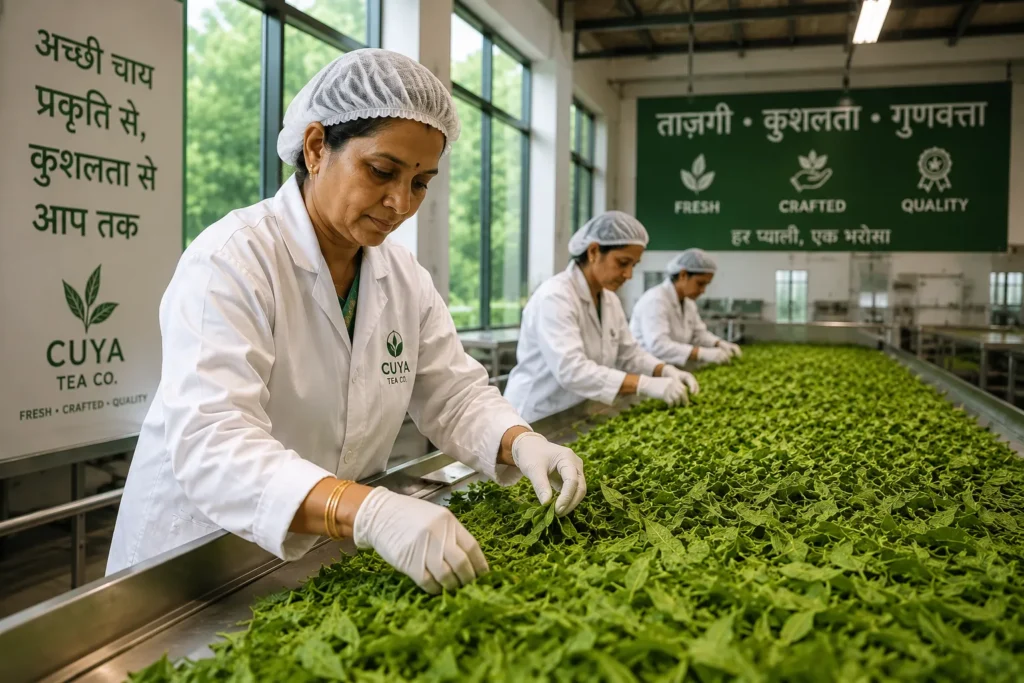
The demand for clean-label, organic, and functional green teas is skyrocketing among urban consumers. Businesses are actively seeking reliable B2B partners who can provide premium, unadulterated green tea leaves directly from the estates. This creates a highly profitable middleman-and-processor opportunity for savvy founders.
Furthermore, the government is heavily backing food processing and agricultural MSMEs. Under the PMEGP 2025–2026 guidelines, manufacturing units can secure bank-linked loans up to ₹50 Lakh with massive subsidies ranging from 15% to 35%. This means you can significantly offset your initial capital expenditure while building a world-class processing and packaging facility.
Step-by-Step Launch Blueprint
To build a robust B2B network, you must establish a seamless pipeline from the tea gardens to your corporate clients. Quality control and consistent supply are your primary competitive advantages. Follow these core stages to structure your operations effectively.
graph TD
    A[Phase 1: Raw Material Sourcing from Estates] --> B[Phase 2: In-House Processing & Panning]
    B --> C[Phase 3: Custom Blending & Quality Testing]
    C --> D[Phase 4: Bulk B2B Packaging & Labeling]
    D --> E[Phase 5: Logistics & Corporate Distribution]
    E --> F[Phase 6: Client Feedback & Contract Renewal]

    style A fill:#d4f1f4,stroke:#05445e,stroke-width:2px
    style B fill:#75e6da,stroke:#05445e,stroke-width:2px
    style C fill:#189ab4,stroke:#05445e,stroke-width:2px,color:#fff
    style D fill:#75e6da,stroke:#05445e,stroke-width:2px
    style E fill:#d4f1f4,stroke:#05445e,stroke-width:2px
    style F fill:#05445e,stroke:#05445e,stroke-width:2px,color:#fff
Financial Requirements & Budgeting
Setting up an artisanal green tea unit is surprisingly capital-efficient if you plan carefully. Your primary expenses will be specialized machinery and securing high-quality raw leaf contracts. If you need assistance structuring your capital or finding the right loan products, explore this comprehensive business finance portal to understand your options.
| Expense Category | Estimated Startup Cost (₹) | Monthly Operational Expenses (₹) |
| Machinery (Roasters, Panners, Grinders) | ₹3,00,000 – ₹5,00,000 | ₹10,000 (Maintenance) |
| Raw Materials (Fresh Leaves/Orthodox) | ₹1,50,000 (Initial Stock) | ₹1,00,000 – ₹2,00,000 |
| Facility Setup & Hygiene Compliance | ₹1,00,000 – ₹2,50,000 | ₹25,000 (Rent & Utilities) |
| Labor & Expert Tea Blenders | ₹0 (Founder led initially) | ₹60,000 – ₹90,000 |
| B2B Packaging & Logistics | ₹50,000 | ₹30,000 – ₹50,000 |
| Total Estimated Investment | ₹6,00,000 – ₹9,50,000 | ₹2,25,000 – ₹3,75,000 |
Profit Margins & Payback Period
B2B artisanal tea commands premium pricing, often yielding gross margins of 40% to 60% depending on your value addition (e.g., adding herbs like chamomile or lemongrass). Because B2B clients sign recurring monthly contracts, your cash flow stabilizes much faster than a standard retail business. To maximize your financial efficiency and secure working capital, it is highly recommended to consult an expert Loan DSA in Kolkata.
Real-World Scenario:
Imagine an entrepreneur setting up a 1,000 sq ft green tea processing facility in Siliguri, sourcing directly from local Darjeeling and Dooars estates. By securing steady B2B supply contracts with just 15 boutique wellness cafes and 3 corporate gifting brands, they generate ₹5,50,000 in monthly revenue. With total operational costs kept tightly under ₹3,00,000, they achieve a net profit of ₹2,50,000 monthly, successfully breaking even in under 6 months.
Licenses & Legal Documentation
Compliance is non-negotiable in the food and beverage industry. To operate as a B2B supplier, you must meet both general business regulations and food-specific safety standards. B2B clients will audit your certifications before signing large contracts.
- FSSAI License: Mandatory for processing, packaging, and distributing tea.
- GST Registration: Required for all B2B invoicing and claiming input tax credits.
- Udyam Registration: Essential for MSME benefits, including PMEGP subsidies and priority sector lending.
- Tea Board of India Registration: Required for sourcing and trading bulk tea officially.
💡 Pro Tip: If you are setting up your processing unit in West Bengal, skip the physical government offices. Use the Silpasathi Portal (the State’s online Single Window System) to seamlessly apply for your Trade License, Fire Safety Certificate, and WBPCB consent all in one place!
Machinery & Raw Material Sourcing
You don’t need a massive, industrial-scale factory to produce artisanal tea. Small-scale, highly precise machinery is actually preferred to maintain the delicate flavor profile of green tea. Key equipment includes semi-automatic withering troughs, green leaf panning machines (around ₹3,00,000 for a 100kg/hr capacity), and commercial-grade blenders.
For raw materials, partner directly with small tea growers (STGs) in regions like Darjeeling, Assam, or the Nilgiris. Building direct relationships with farmers ensures you get the freshest “two leaves and a bud” required for premium green tea, bypassing wholesale market markups.
⚠️ Common Pitfall: Many new founders mistakenly buy heavy-duty CTC (Crush, Tear, Curl) machinery because it is common and cheap. Green tea requires orthodox processing methods (panning and rolling). Using CTC machines will completely destroy the delicate green tea leaves, turning your premium product into low-grade dust!
The Ultimate Launch Checklist
Ready to start? Use this rapid-fire checklist to ensure you don’t miss a beat while launching your B2B supply network:
- 1. Finalize your niche: (e.g., organic green tea, herbal blends, functional wellness teas).
- 2. Register your business: Get your GST, Udyam, and Trade License sorted.
- 3. Apply for FSSAI: Secure your food safety central/state license.
- 4. Scout a hygienic location: Find a clean, moisture-free 500-1,000 sq ft processing space.
- 5. Secure funding: Apply for the PMEGP scheme to get your 15-35% machinery subsidy.
- 6. Order orthodox machinery: Purchase specialized green leaf panners and roasters.
- 7. Sign farmer contracts: Partner with 2-3 small tea estates for a reliable raw leaf pipeline.
- 8. Design B2B packaging: Invest in moisture-proof bulk pouches or premium wholesale tins.
- 9. Create a sample kit: Box up your best blends to send to prospective corporate clients.
- 10. Launch outreach: Start pitching to boutique hotels, cafes, and wellness brands directly.
